
Blog
The Art of Latte: Beginner’s Guide to Coffee Art

🎨 The Art of Latte: Beginner’s Guide to Coffee Art
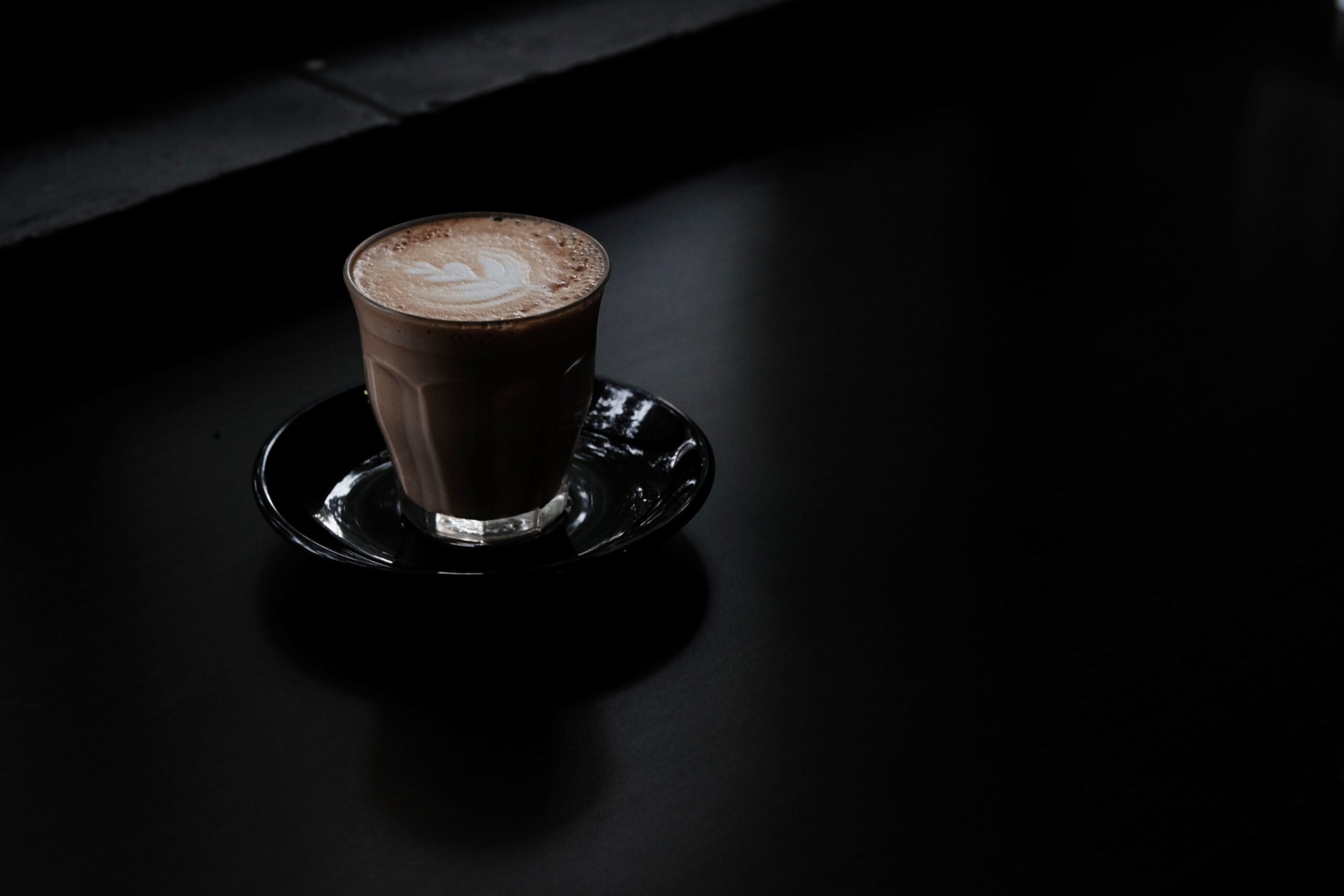
There’s something magical about a beautifully poured latte topped with a delicate heart, tulip, or rosette. Latte art isn’t just about aesthetics — it’s a way to elevate your coffee experience, combining precision, creativity, and a love for coffee. The good news? You don’t have to be a professional barista to get started.
This beginner’s guide will walk you through the essentials of latte art and how you can start practicing at home.
☕ What You Need for Latte Art
To make latte art, you need two essentials: espresso and microfoam milk.
-
Espresso machine – A machine with a steam wand is ideal.
-
Fresh espresso – The base of your latte, with a golden crema.
-
Fresh whole milk – Best for steaming; it creates rich, velvety foam.
-
Milk pitcher – Stainless steel, narrow spout preferred.
-
A sturdy mug – Wide enough for your design to flow.
🥛 Creating Microfoam Milk
Microfoam is the secret to good latte art.
-
Start with cold milk in your pitcher.
-
Submerge the steam wand just below the surface and turn it on.
-
Stretch the milk (add air) for 3–5 seconds until it reaches a silky texture.
-
Submerge the wand deeper to heat the milk to 65°C (150°F).
-
Tap and swirl the pitcher to remove bubbles — the milk should look glossy and smooth, like wet paint.
🎨 Basic Latte Art Designs
1. The Heart ❤️
-
Start pouring high (about 5 cm above the cup).
-
Once the cup is halfway full, bring the pitcher spout closer.
-
Pour steadily in the center until a white circle forms.
-
Finish with a quick lift and drag through the circle → a heart.
2. The Tulip 🌷
-
Start as with the heart, creating a circle.
-
Pause slightly, then pour another smaller circle on top.
-
Repeat, then drag through → forming a layered tulip shape.
3. The Rosetta 🌿
-
Start close to the surface and move your wrist in a zig-zag motion while pouring.
-
Slowly pull back as you pour forward.
-
Finish with a line drawn through → a leaf-like rosetta.
⚡ Tips for Beginners
-
Practice with water → Use water and dish soap in your pitcher to mimic milk foam.
-
Don’t overheat → Milk above 70°C (160°F) loses texture and sweetness.
-
Use fresh beans → A rich espresso crema helps contrast your art.
-
Consistency > complexity → Master the heart before moving to tulips or rosettas.
🌟 Final Thoughts
Latte art is a skill that comes with practice, patience, and a love for coffee. Your first attempts may not be perfect — and that’s okay. Each cup is a chance to improve your pouring technique and unleash your creativity.